
Nepal is a country where ancient traditions and vibrant cultures intertwine, offering travelers a rich tapestry of experiences. From its historical temples to its lively festivals, Nepal’s cultural heritage is both diverse and deeply rooted.
Kathmandu: The Heart of Nepalese Culture
Kathmandu, the capital city, is the epicenter of Nepal’s cultural and spiritual life. The city’s UNESCO World Heritage Sites, including Swayambhunath (Monkey Temple), Pashupatinath, and Boudhanath Stupa, are key highlights. Swayambhunath, perched atop a hill, offers panoramic views of the city and is an important pilgrimage site for Buddhists and Hindus alike. Pashupatinath, a sacred Hindu temple complex on the banks of the Bagmati River, is renowned for its intricate architecture and vibrant religious ceremonies. Boudhanath Stupa, with its massive mandala and all-seeing eyes, is one of the largest and most significant Buddhist stupas in Nepal.
Bhaktapur: A Glimpse into Medieval Nepal
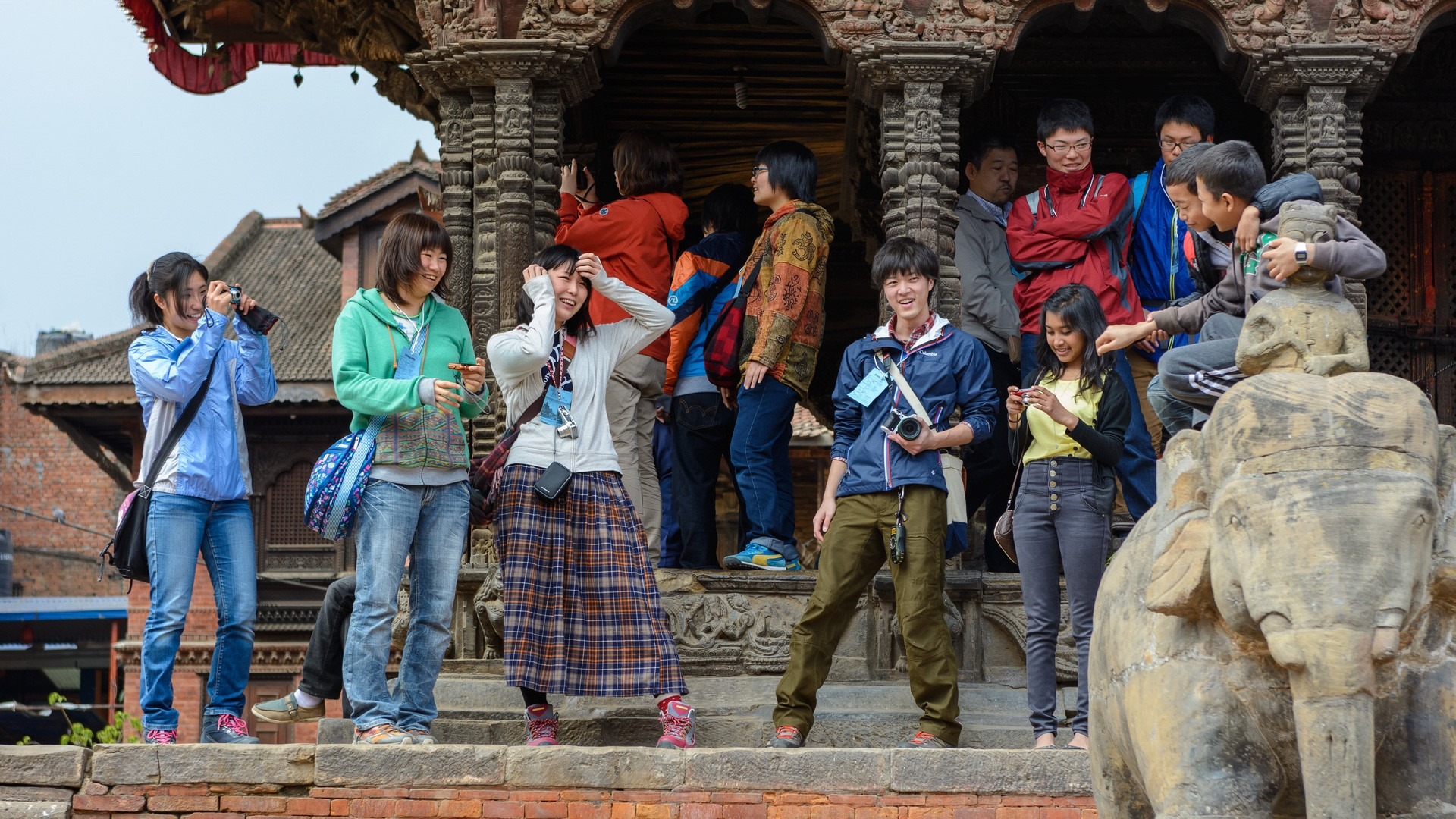
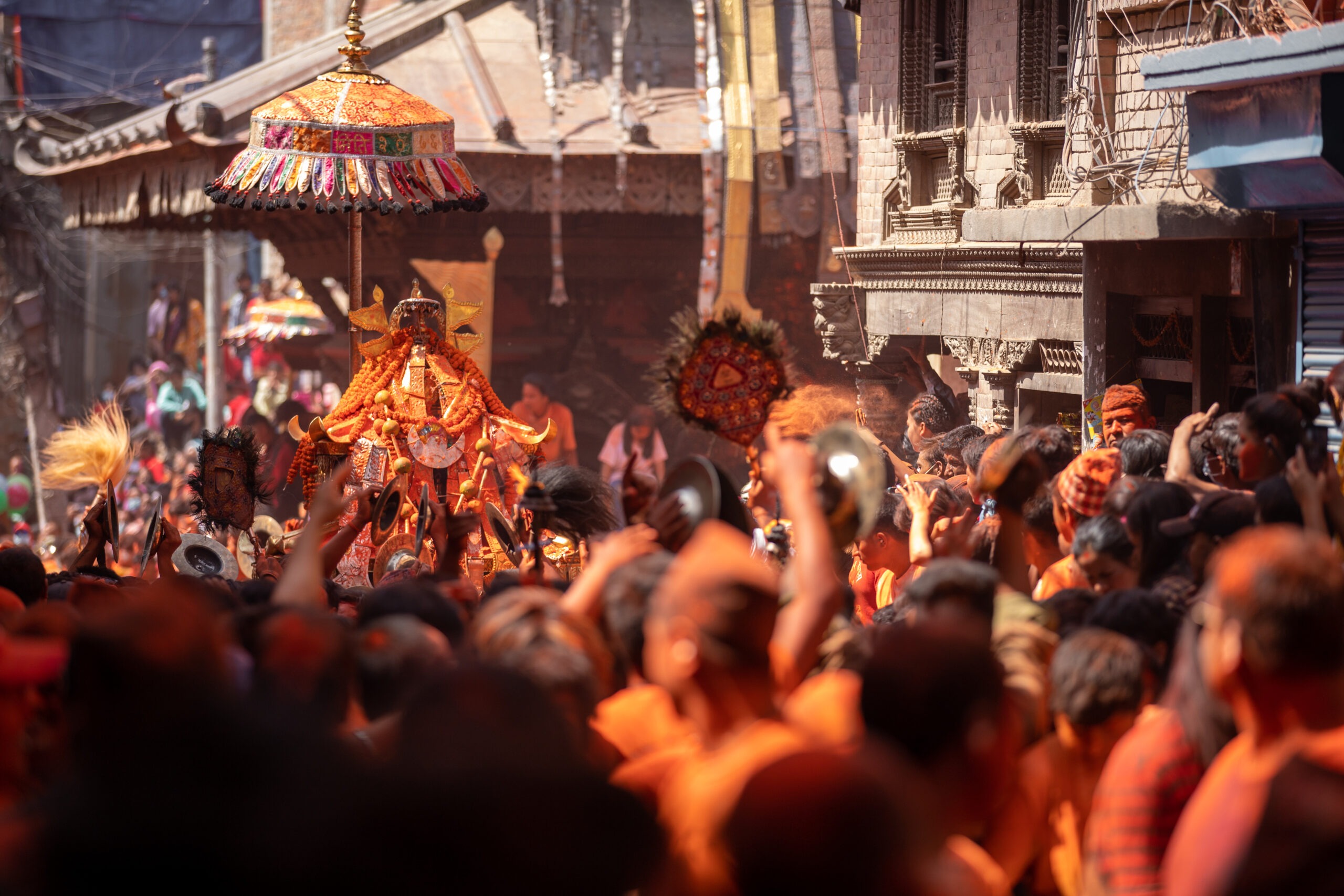
Just a short drive from Kathmandu, Bhaktapur provides a window into medieval Nepal with its well-preserved architecture and traditional Newari culture. The Bhaktapur Durbar Square is a UNESCO World Heritage Site, featuring stunning temples, palaces, and courtyards. The intricately carved woodwork and ancient statues reflect the artistic prowess of the Newar artisans. Bhaktapur is also known for its festivals, such as the Bisket Jatra, which celebrate the town’s rich cultural heritage with vibrant processions and traditional performances.
Lumbini: The Birthplace of Buddha
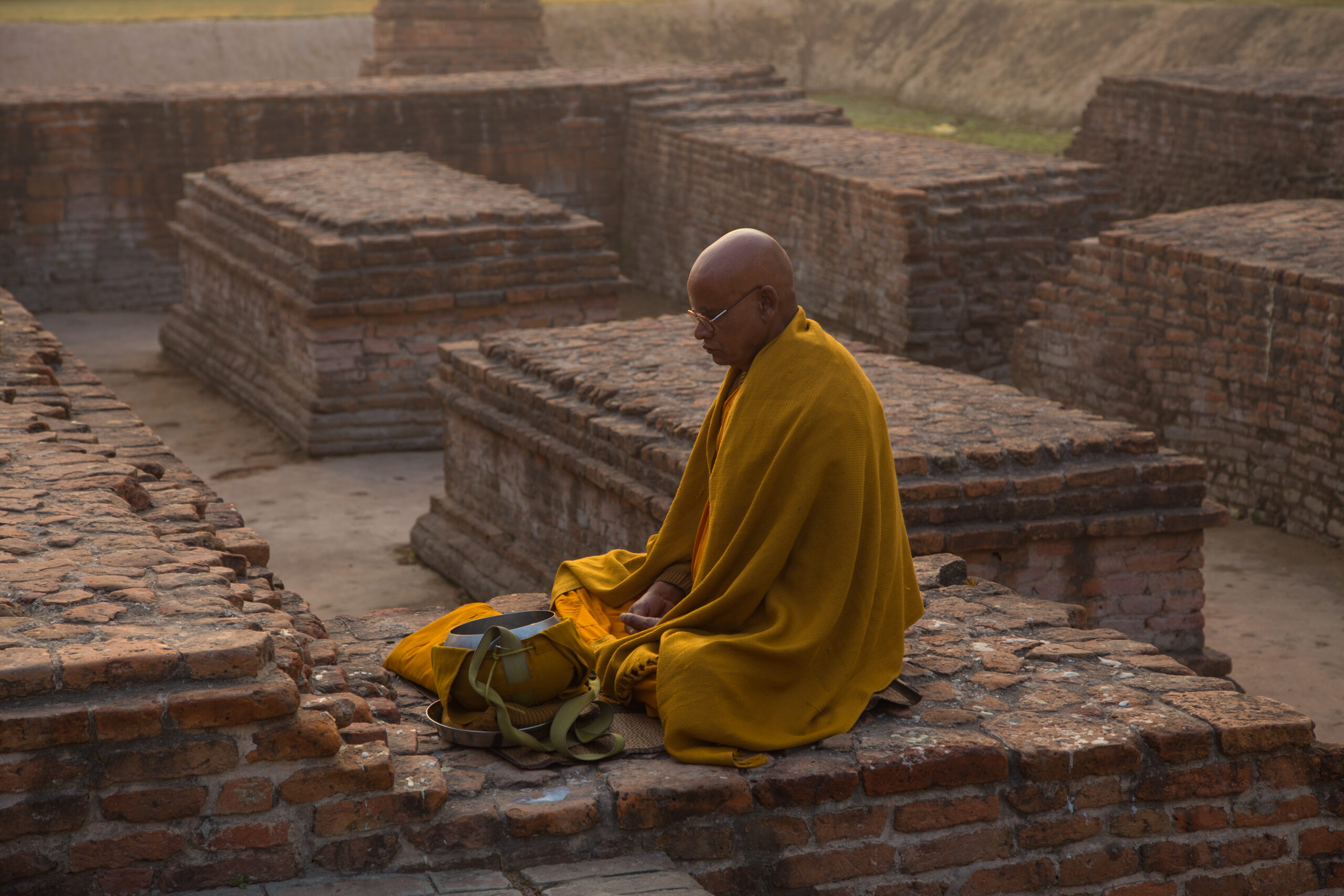
A visit to Lumbini, the birthplace of Siddhartha Gautama (Buddha), is a journey of spiritual significance. Located in the Rupandehi District, Lumbini is a major pilgrimage site for Buddhists worldwide. The sacred garden, where Buddha was born, is surrounded by various monasteries, including the Maya Devi Temple, which marks the exact spot of Buddha’s birth. The Peace Pagoda, built to promote peace and harmony, and the Lumbini Museum, which showcases artifacts related to Buddha’s life, add to the spiritual and historical richness of the site.
Festivals and Traditions
Nepal’s festivals offer a vibrant celebration of its cultural diversity. The Dashain festival, marking the victory of good over evil, is celebrated with grandeur and devotion across the country. Similarly, the Tihar festival, also known as Deepawali, brings together family and community through rituals, feasts, and the lighting of lamps. Each region and ethnic group has its own festivals and traditions, reflecting the country’s cultural mosaic.
Local Arts and Crafts
Nepal’s artistic heritage is reflected in its local crafts and traditions. Traditional Newari crafts, including intricate wood carvings, metalwork, and pottery, showcase the country’s artistic skills. Handwoven textiles, such as pashmina shawls and Thangka paintings, are also significant cultural products. Visiting local workshops and markets provides insight into these traditional crafts and the artisans who keep these age-old skills alive.
Exploring Nepal’s cultural heritage offers a deep and enriching experience, revealing the country’s historical roots, artistic achievements, and vibrant traditions. Each cultural site and festival provides a unique perspective on Nepal’s rich tapestry of history and tradition.